
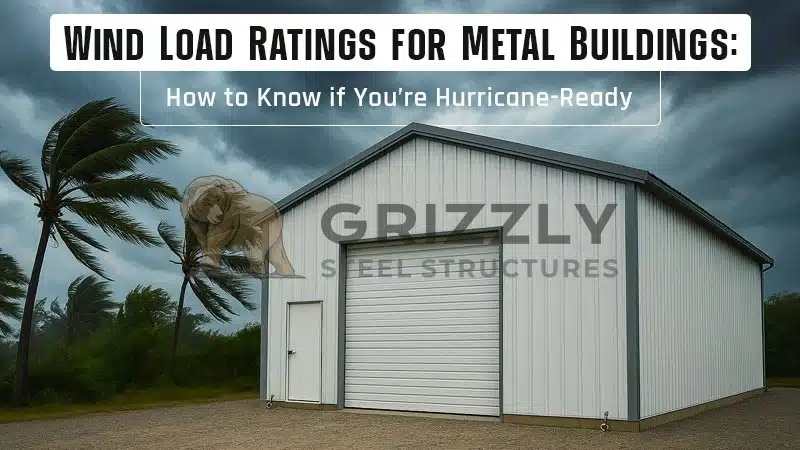

Understanding Wind Load Ratings for Metal Buildings
Wind load ratings are crucial for the safety and structural integrity of metal buildings, especially in regions that experience high winds, such as coastal areas and hurricane-prone zones. This article delves into the factors that influence wind load ratings, the engineering measures taken to combat wind forces, and the specific considerations consumers should keep in mind when purchasing metal buildings designed for high-wind conditions.
What is Wind Load?
Definition and Importance of Wind Load
Wind load refers to the pressure exerted by wind on a building’s surface. This load is a critical consideration in the design and construction of structures, as it can significantly affect their durability and stability. Buildings that are not designed to withstand the potential forces from wind can suffer severe damage or even collapse during extreme weather events, leading to costly repairs and safety hazards.
The importance of understanding wind load ratings cannot be overstated. They determine how well a building can endure high winds, which varies based on geographical location, building height, and overall design. For consumers, knowing these ratings can help in selecting buildings that meet safety standards and local building codes.
Factors Influencing Wind Load Ratings
Several factors contribute to the determination of wind load ratings, including the geographical location of the building, surrounding terrain, and the height and shape of the structure. For instance, a building located on a flat plain may face higher wind loads compared to one in a valley or surrounded by other structures.
Additionally, the local weather patterns and historical data regarding storm occurrences are taken into account. Engineers use this information to formulate wind load ratings that ensure buildings can withstand extreme conditions, thereby safeguarding investments and lives.
Uplift and Overturning: How Wind Tries to Rip a Building Off the Slab
Understanding Uplift Forces
Uplift forces occur when wind travels over and under a building, creating a pressure difference that can lift the structure off its foundation. This phenomenon is particularly concerning for roofs, which can be vulnerable if not properly anchored. Understanding these forces is essential for engineers and builders to create designs that resist uplift.
The potential for uplift is measured and reflected in the wind load ratings. High winds can produce significant uplift forces, making it necessary to incorporate design features that counteract these pressures, such as reinforced connections and adequately designed roof shapes.
The Risks of Overturning During High Winds
Overturning is another critical risk associated with high winds. When wind pressures act unevenly on a structure, they can cause it to tip over. This risk is particularly pronounced in buildings that are tall and have a small footprint, making it essential to integrate stabilizing features in the design.
To mitigate the risks of overturning, engineers often employ various design strategies, including the installation of bracing systems and increasing the weight of the building’s foundation. These measures not only help buildings withstand wind forces but also ensure they can remain stable during extreme weather events.
Bracing Systems and How They Protect Against Wind
Types of Bracing Systems
Bracing systems are structural components designed to provide stability and rigidity to buildings against lateral forces caused by wind. There are several types of bracing systems, including X-bracing, K-bracing, and shear walls. Each type serves to distribute wind loads effectively throughout the structure.
X-bracing consists of diagonal members that cross each other to form an X, providing excellent resistance to both lateral and upward forces. K-bracing, on the other hand, uses diagonal members that connect to vertical columns in a K shape, offering similar benefits but with a slightly different load distribution method. Understanding the various bracing options available is crucial for selecting the right design for a specific building type.
Benefits of Bracing for Wind Resistance
Bracing systems enhance the overall stability of a building, ensuring it can withstand extreme wind forces without compromising structural integrity. By distributing loads evenly throughout the structure, bracing systems help prevent localized failure, which can lead to catastrophic outcomes.
Furthermore, the inclusion of effective bracing can also minimize the need for excessive weight in foundations and other structural components, thus optimizing material usage and potentially lowering construction costs. For consumers, investing in a building with a well-designed bracing system offers peace of mind and long-term durability.
Anchor Types for High-Wind Zones
Diverse Anchor Options Available
Anchoring is a critical aspect of constructing buildings in high-wind zones. Various anchor types are used to secure metal buildings to their foundations, including concrete anchors, helical anchors, and driven piles. Each type serves a specific purpose and offers unique benefits depending on the soil conditions and wind load requirements.
Concrete anchors are commonly used because they provide strong resistance to uplift forces. Helical anchors are especially beneficial in unstable soils, offering a reliable solution for securing structures to the ground. Driven piles can reach deeper, more stable soil layers, ensuring that the building remains anchored even during extreme wind events. Understanding these options is essential for making informed decisions during the construction process.
Choosing the Right Anchor for Your Building
When selecting anchors for a metal building, it is crucial to consider both the local soil conditions and the wind load ratings determined by engineering assessments. Consulting with a structural engineer can help determine the most suitable anchor type based on these factors, ensuring optimal performance and safety.
Additionally, consumers should seek out manufacturers who provide detailed information about their anchoring systems, including testing data and certifications. This can further assure buyers that their chosen building will be capable of withstanding wind pressures over time.
What County Inspectors Will Require from You
Building Codes and Regulations
Building codes are established to ensure that structures meet certain safety standards, including those related to wind resistance. When constructing a metal building, it is essential to adhere to local building codes that dictate wind load requirements and other safety measures.
Documentation and Inspections Needed
Documentation is vital in the approval process for metal buildings, especially in high-wind areas. Builders must provide detailed structural calculations, wind load ratings, and any engineering certifications. Moreover, throughout the construction process, regular inspections will be conducted to ensure that the building complies with all local codes.
How Grizzly Steel Designs for High-Wind and Coastal Installations
Engineering Solutions for Extreme Conditions
Grizzly Steel is renowned for its commitment to designing metal buildings that can withstand extreme conditions, including high winds and coastal storms. By employing advanced engineering techniques and utilizing high-quality materials, Grizzly Steel structures are designed with resilience in mind.
Case Studies of Successful Installations
Numerous case studies illustrate Grizzly Steel’s success in high-wind installations. For example, one project involved constructing a large storage facility in a coastal region prone to hurricanes. By implementing a combination of aerodynamically shaped roofs, reinforced connections, and a tailored bracing system, the building not only met but exceeded local wind load requirements.
Questions to Ask Before You Buy in a Coastal / Hurricane Area
Assessing Your Building’s Wind Load Rating
Before purchasing a metal building in a coastal or hurricane-prone area, it is essential to assess its wind load rating to ensure it meets local requirements. Consumers should inquire about the specific ratings for the building in question and how these ratings were determined.
Evaluating the Manufacturer’s Experience and Reputation
Another critical question to consider is the manufacturer’s experience and reputation in building metal structures for high-wind areas. Consumers should look for manufacturers with a proven track record of successfully delivering buildings that withstand extreme weather conditions.
FAQs
1. What is a wind load rating?
A wind load rating indicates how much pressure a building can withstand from wind forces, helping ensure its safety and stability during extreme weather.
2. Why are bracing systems important for metal buildings?
Bracing systems provide structural support against lateral forces from wind, helping prevent damage and maintaining the building’s integrity.
3. How can I determine the right wind load rating for my building?
Consult with a structural engineer who can assess your building’s design, location, and environmental conditions to determine the appropriate wind load rating.
4. What kind of inspections are required for metal buildings in high-wind areas?
Inspections typically include evaluations of structural calculations, adherence to building codes, and on-site assessments during construction to ensure compliance.
5. What should I look for in a manufacturer for high-wind buildings?
Choose a manufacturer with experience, a strong reputation, and a history of successfully delivering products designed for high-wind conditions.
Conclusion
In summary, understanding wind load ratings is critical for consumers considering metal buildings, especially in high-wind and coastal areas. Factors such as uplift forces, bracing systems, and anchoring techniques all play significant roles in ensuring structural safety and integrity. Equally important is ensuring compliance with building codes and regulations through proper documentation and inspections.
When choosing a manufacturer, it’s crucial to assess their experience and reputation, ensuring that your investment is secure. By taking these considerations into account, consumers can make informed decisions that not only enhance safety but also protect their investments in the long run.
